Friday Evening - Micro Presentations
Kick off Board Leadership Lethbridge with an evening of big ideas, practical insights and plenty of opportunities to connect.
Hear from seven local leaders in a fast-paced series of micro-presentations tackling some of the most pressing issues facing nonprofit boards today. From AI and digital risk to emergency preparedness, executive leadership, grant funding, financial management and good governance, each presentation offers a fresh perspective and practical ideas you can take back to your boardroom.
With seven topics, seven perspectives and plenty of food for thought, this is your chance to get a jump-start on the conversations that matter.
After the presentations, stick around for refreshments and networking. Connect with fellow board members, nonprofit leaders and community-minded professionals, share ideas, swap experiences and continue the conversation.
Check in between 6:30 - 7:00 pm, and be ready for the session to begin at 7:00.
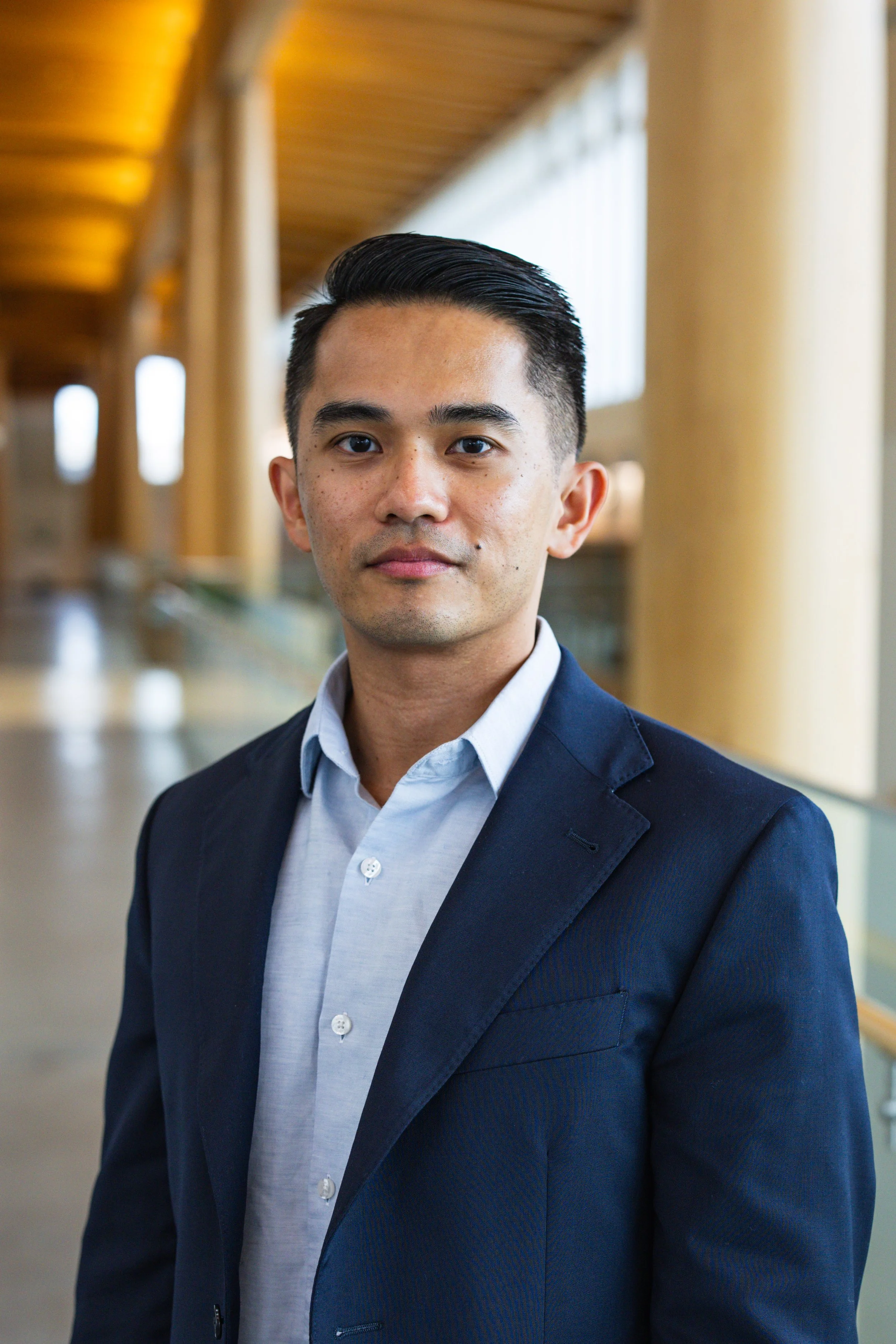
Emmerson is a strategic technology and people leader, with expertise in digital transformation, cybersecurity, enterprise systems, and governance in the post-secondary sector. As Manager of Enterprise Systems and Infrastructure at Lethbridge Polytechnic, Emmerson helps to lead technology initiatives involving critical systems, data, cloud readiness, AI, privacy, risk, and modernization. Emmerson also serves as Vice-Chair of the YMCA of Lethbridge Board of Directors, where he provides technical expertise at the board level and contribute to governance conversations on digital risk, cybersecurity, and organizational resilience.
Emmerson Reyes
Governing Digital RiskBoards do not need to be technology experts, but they do need to be the ones asking the right questions. As organizations become increasingly dependent on digital systems, data, cybersecurity, and artificial intelligence, digital risk is no longer just a technical issue. It is a boardroom issue, and it deserves the same level of attention as financial, governance, operational, and reputational risk. This session offers a practical, board-level approach to governing digital risk. The focus is not on technical oversight, but on strategic curiosity: knowing what to ask, what to pay attention to, and how to recognize when digital decisions carry organizational risk.
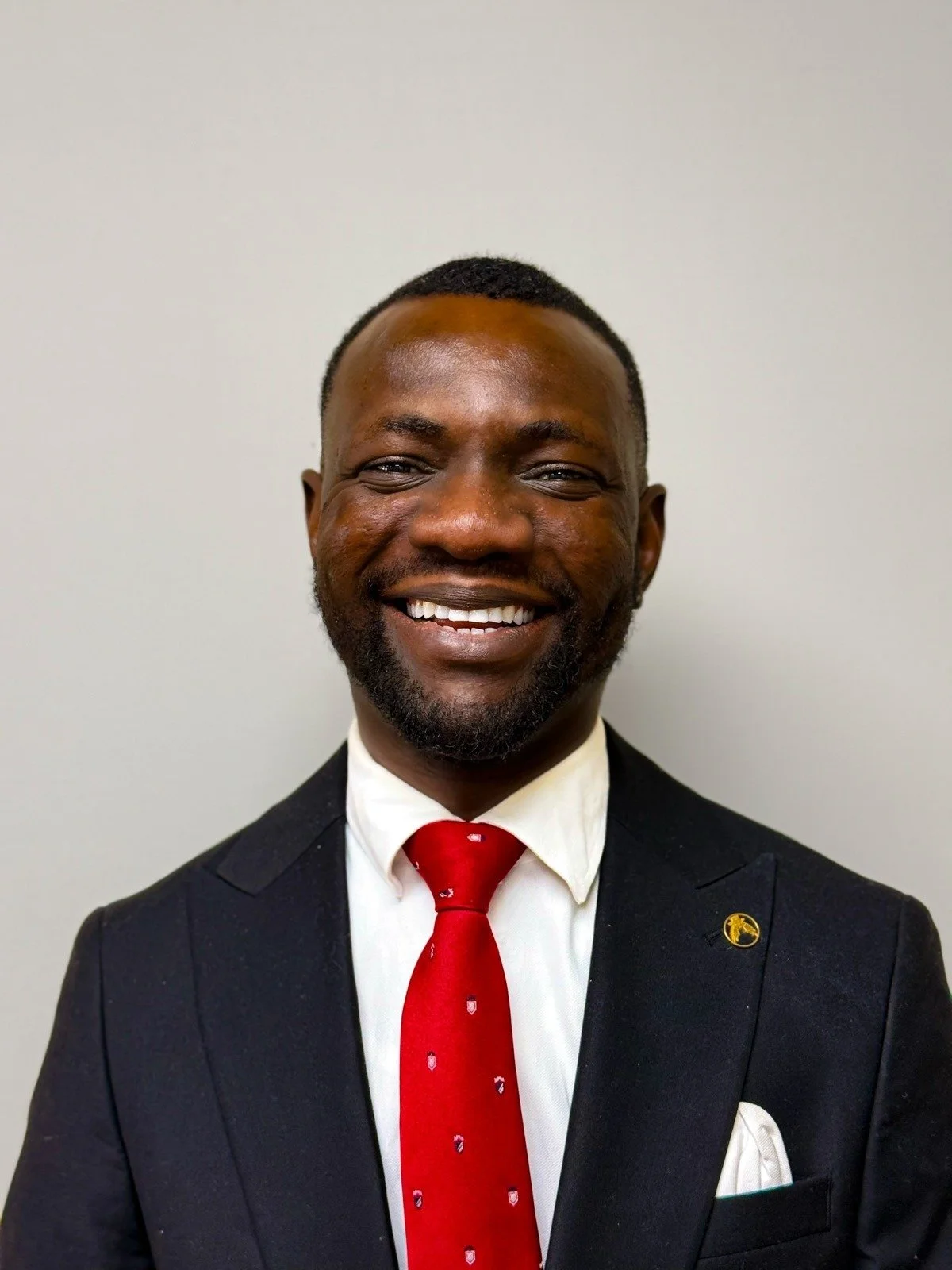
Frank Onuh
Frank is an AI strategist, consultant, and the Executive Director of AIRI Foundation, an organization that provides AI training, adoption, and technical implementation to organizations. He advises on AI adoption strategy, governance, automation, and ethical AI design. Frank is also a lecturer and doctoral researcher at the University of Lethbridge, where he investigates AI and misinformation ecosystems and advocates for the design of equitable technology infrastructure.
Board Intelligence: Using AI to Strengthen GovernanceBoard members often need to make informed decisions while navigating large amounts of information with limited time. This micro-presentation introduces “board intelligence,” a practical approach to using AI-supported tools to help nonprofit leaders read, summarize, compare, question, and act on organizational documents more effectively. Participants will explore how AI can support meeting preparation, governance questions, policy review, board orientation, and accountability without replacing human judgment. The session will also highlight responsible use, including verifying information and understanding risks related to privacy, confidentiality, bias, overreliance, and the need for clear organizational AI policies
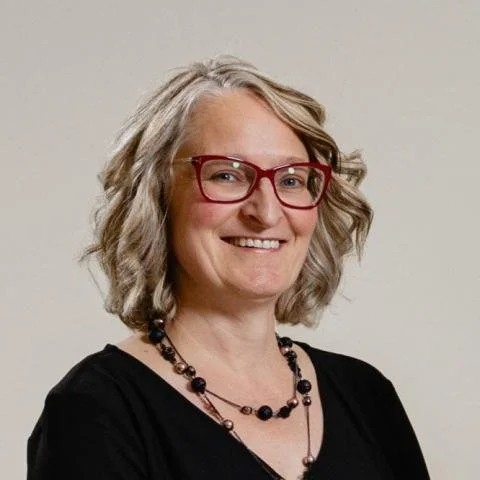
Lori Harasem
Lori has been involved with the Canadian Red Cross for over 25 years in a variety of capacities, mostly in the area of Emergency Preparedness and Response. She is currently supporting the development of readiness for community organizations and small municipalities across the country by facilitating training and sharing tools that help in these areas. After being seconded into the role of the Covid Social Response Manager for the City of Lethbridge from the start of the pandemic until 2022, she facilitated the creation of a team who's work was recognized by the United Nations and World Health Organization, the Tamarack Institute, and the provincial government. This leadership gave her firsthand experience in emergency response from a non-profit leadership lens and the learnings from that have helped grow her toolbox of non-profit leadership and management training and supports she was already providing many boards and organizations across the province.
Emergency Planning for Organizations – We Don’t Have the Time or Expertise!Emergency Action Plans, Service Continuity Plans, plans, plans, plans! You know your organization needs to be prepared, but where do you start? This session introduces practical, plain-language Canadian Red Cross resources designed specifically for community organizations and small municipalities. Participants will learn about easy-to-use tools that require no specialized expertise and explore simple next steps to strengthen organizational preparedness and continuity for emergencies ranging from pandemics and climate-related events to unexpected disruptions like burst pipes.
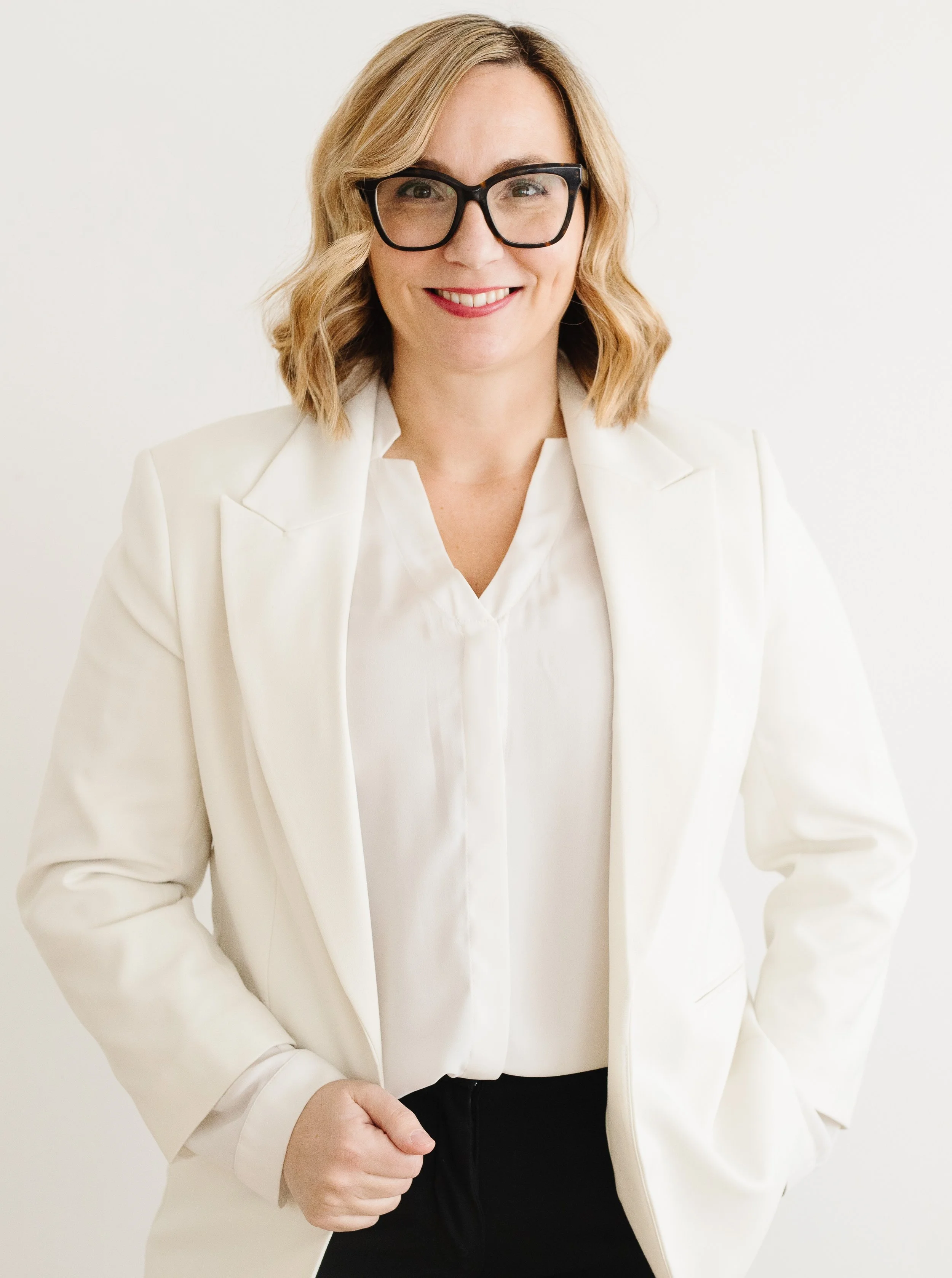
Mandy DeCecco-Kolebaba
Mandy brings over 20 years of leadership experience, beginning as an Executive Director in the non-profit sector where she developed a passion for strong board leadership and effective governance. She later co-owned an award-winning Southern Alberta business and founded Collaborative Strategies Consulting Inc. in 2019. Her work supports Boards, senior leaders, and cross-sector organizations in strengthening governance frameworks, refining strategic direction, and aligning leadership practices with organizational values. She holds a Diploma in Communication Arts (Lethbridge College), a BFA (University of Lethbridge), and an MA in Counselling Psychology (Yorkville University). A Canadian Certified Counsellor and CPHR Candidate, Mandy combines governance expertise with insight into human dynamics and leadership behavior. In 2024, she was named a YWCA Woman of Distinction in Leadership & Empowerment.
You Get What You Pay For: Why the ED We Need Is Not What We GetExecutive Directors are being asked to do more than ever, yet many organizations continue to budget and hire as though the role hasn’t changed. Today’s ED is expected to be a strategic leader, fundraiser, HR professional, financial manager, governance advisor, relationship builder, and more. This session explores the growing disconnect between board expectations and organizational investment in leadership, and the consequences for burnout, turnover, strategy, and sustainability. Participants will be challenged to rethink how compensation, professional development, organizational structure, and board support must evolve to reflect the realities of nonprofit leadership today.
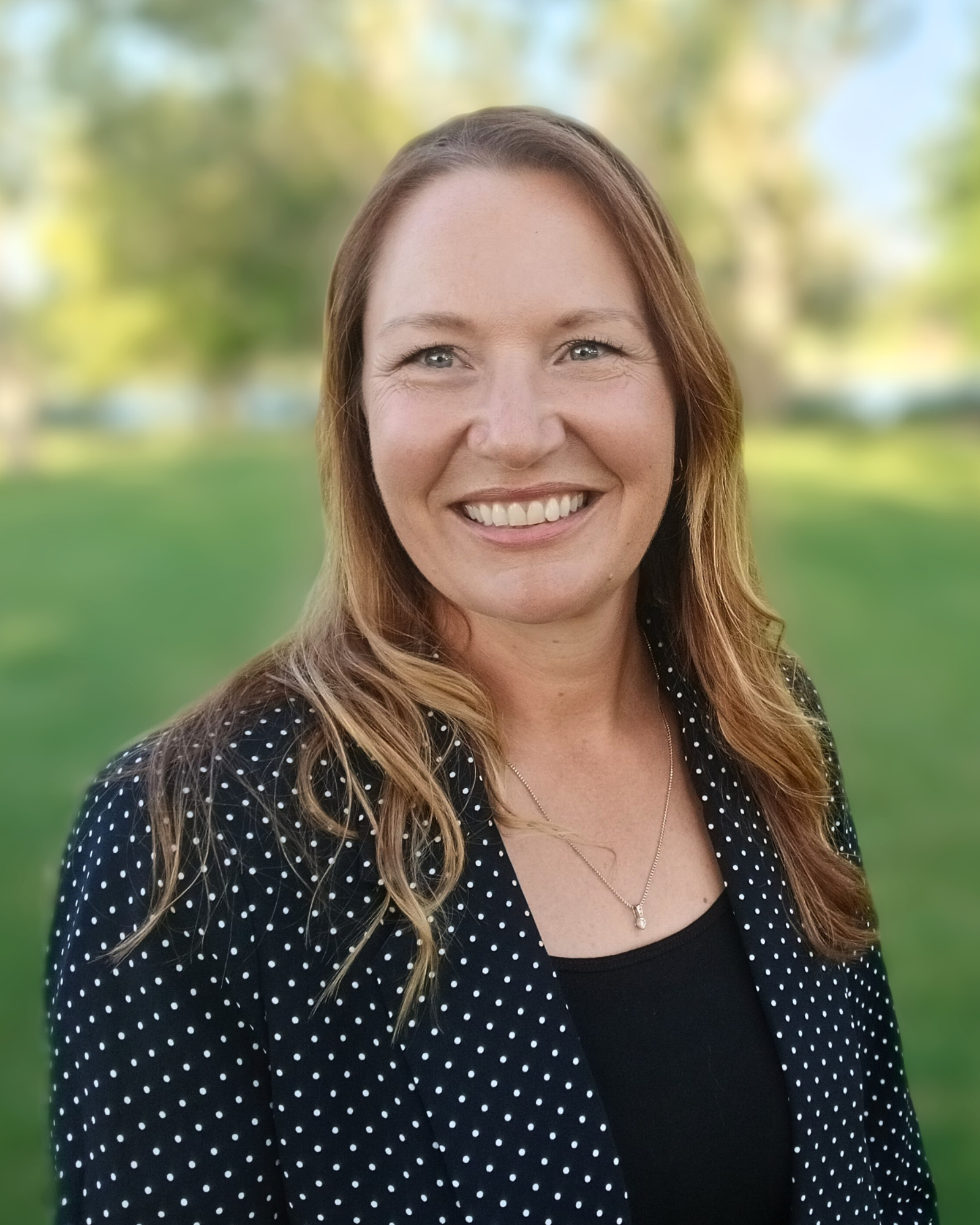
Penny D’Agnone
Penny brings over 20 years of experience in academic, nonprofit, and government sectors, with deep expertise in funding strategy, grant administration, and stakeholder engagement. Formerly Senior Grant Development Manager at FundSource26 Inc. and Senior Grants Facilitator at the University of Lethbridge, she has led complex, multi-jurisdictional projects and improved funding success for diverse clients. At PWC, Penny heads our grant development team, crafting compelling funding narratives and aligning strategies with public-sector priorities to maximize impact. In this role, she helps municipal, non-profit and for-profit clients build capacity in the area fund development. Penny holds a Master’s and Bachelor’s in Neuroscience, along with advanced training in executive leadership, knowledge exchange, and process improvement.
Building Capacity Through Grant Writing: Turning Funding into Organizational Growth Nonprofit leaders often balance governance, operations, fundraising, planning, and program delivery with limited staff, volunteers, and financial resources. While grant writing can feel like another demand on already stretched capacity, strategically pursued grants can actually help build it. Rather than chasing funding or creating projects to fit grant criteria, nonprofits can align existing priorities with funder interests to strengthen staffing, partnerships, systems, and programs. This presentation will show board members how a strategic approach to grant funding can increase organizational capacity, support long-term sustainability, and give nonprofit leaders more resources to advance their mission.
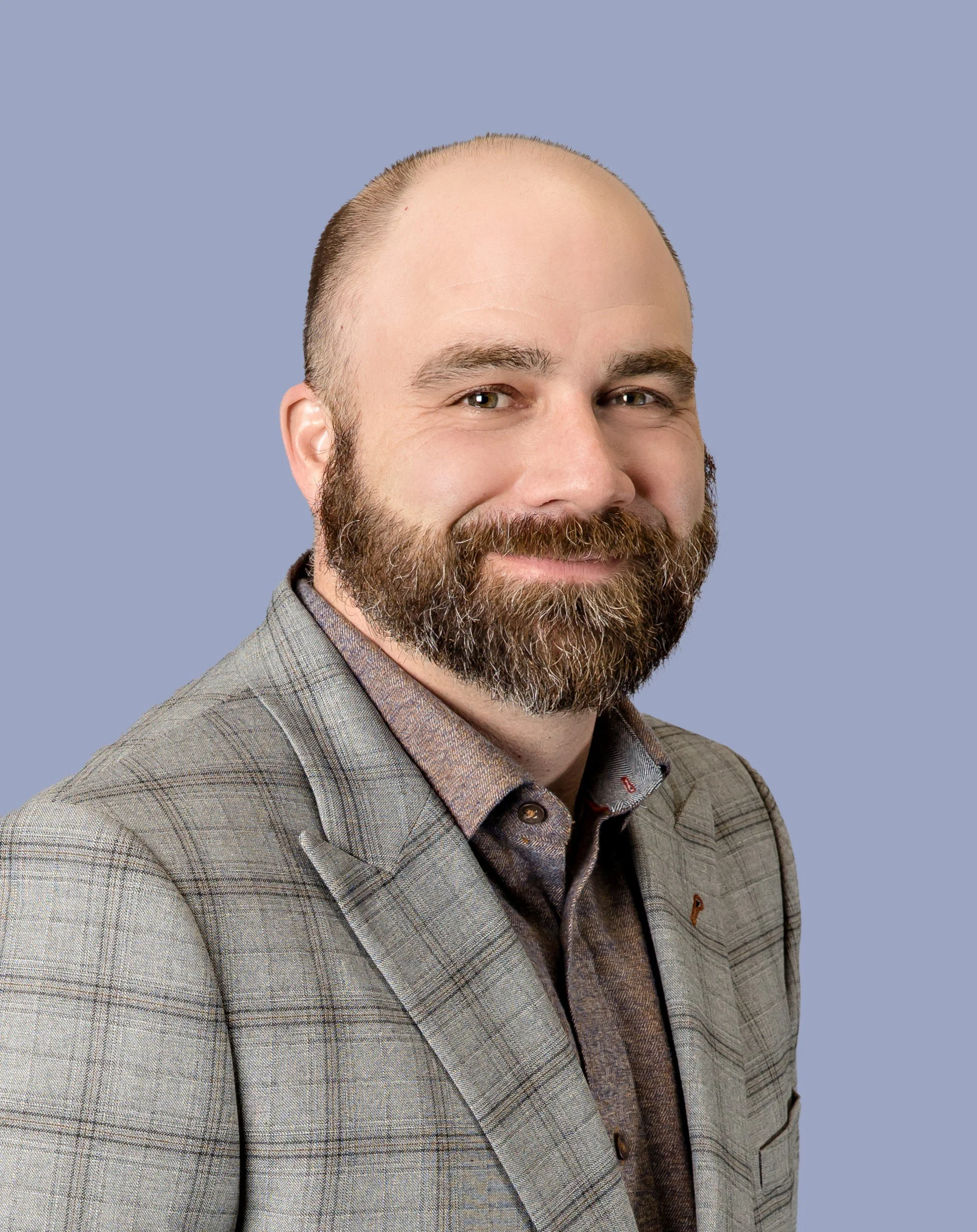
As an Account Manager and Partner with Asyma Solutions, Rob has been coaching, reviewing, implementing, training, and supporting customers with their financial operations for over 18 years.
Rob Greeno
Drawing on years of experience working alongside nonprofit and First Nations finance teams, Rob Greeno will share practical observations on how organizations are using digital transformation, automation, and better financial management practices to strengthen their finance function. He will explore how reducing manual effort, improving reporting reliability, and creating better access to financial information can increase organizational capacity and support stronger decision-making. The session reflects lessons Rob has seen firsthand—what works, where organizations struggle, and how finance leaders can modernize without losing sight of people, process, and accountability.
Digital Transformation, Automation and Best Practices for Nonprofit Financial Management Leaders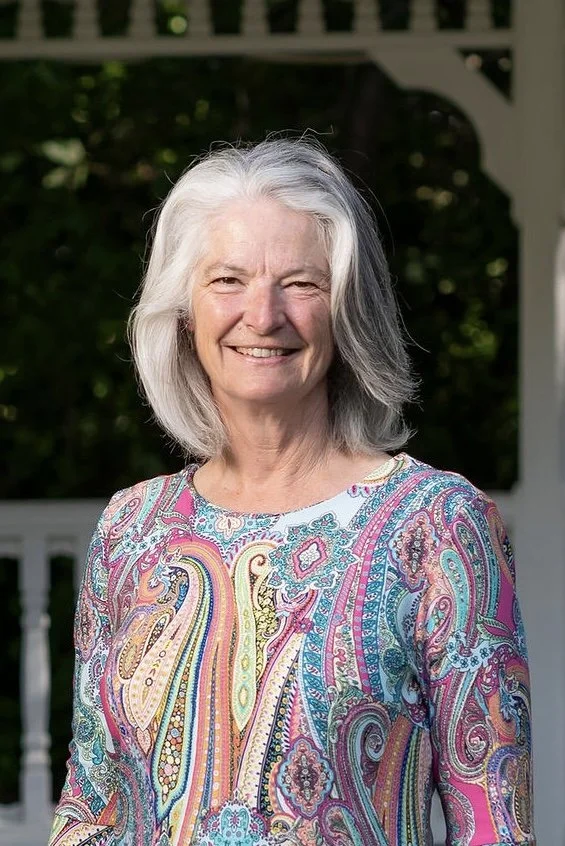
Susan Eymann wears many hats: executive director, sport strategist, community builder, nonprofit leader, and, most importantly, big sister to Boots the Goat. Since 2009, she has led the Lethbridge Sport Council with a focus on making sport inclusive, accessible, and connected to community. With 17 years of experience working with local, provincial, and national nonprofit sport organizations, Susan brings a practical understanding of nonprofit leadership and governance. She also serves on the board of the Alberta Sport Leadership Association and remains passionate about the power of sport to build stronger people, organizations, and communities.
Susan Eymann
Governance as a Practice, Not a ChecklistGood governance is not a pass-or-fail exercise, but an ongoing practice of asking better questions. Using a practical governance review as an example, this micro-presentation explores how nonprofit boards can use external governance frameworks as a mirror rather than a rigid rulebook. Participants will consider key questions related to bylaws, board and staff roles, leadership succession, committees, transparency, and regular governance review. Attendees will leave with a practical approach for identifying gaps, recognizing what is working, and finding realistic opportunities to strengthen accountability, role clarity, organizational continuity, and decision-making without creating an overwhelming governance overhaul.